
Authors:
Dariia Tereshchenko
TL;DR
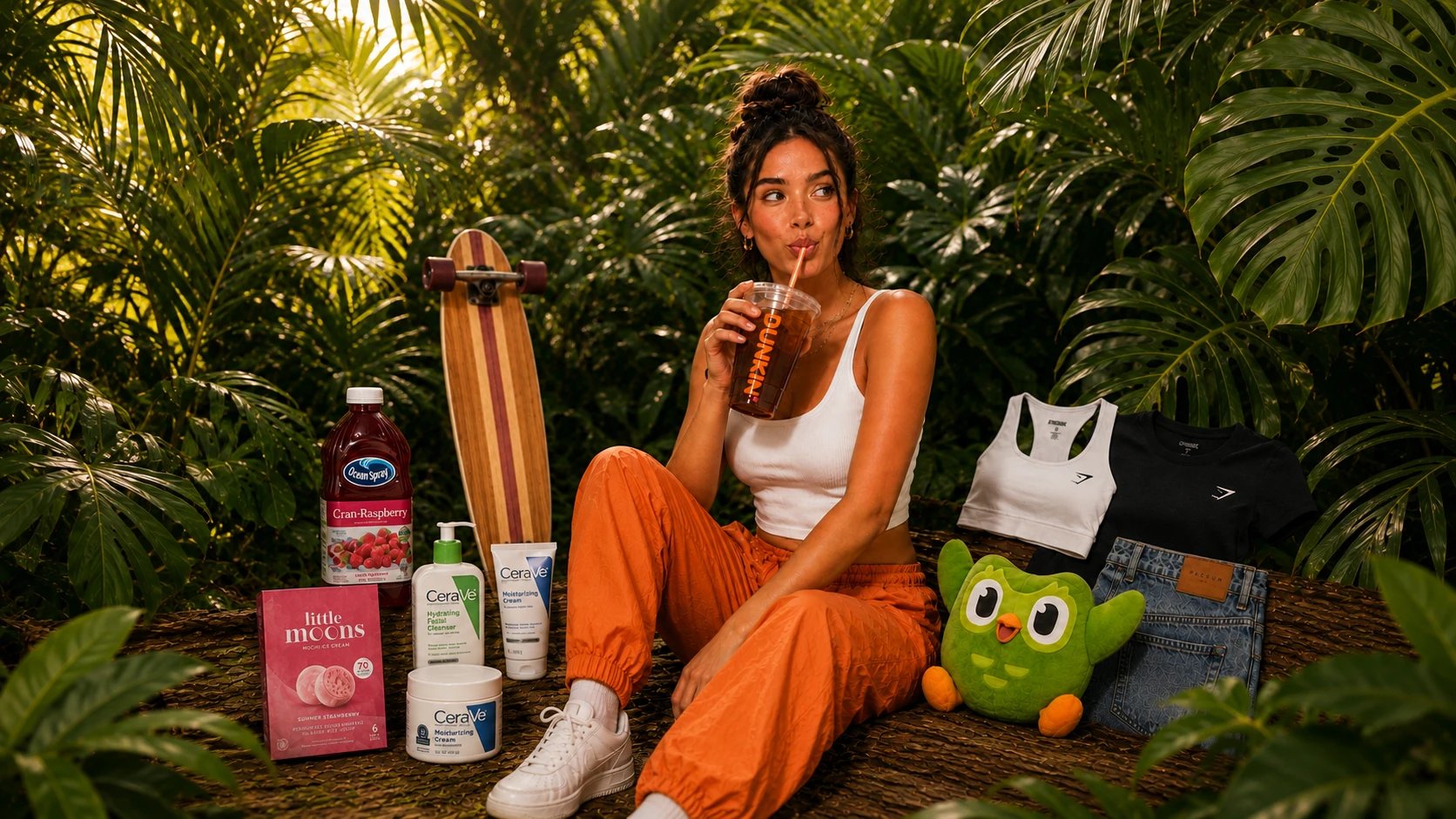
- •Seven real TikTok campaigns, and in each one the creator fit was the deciding factor.
- •Little Moons' mochi trend drove around 700% sales growth at Tesco in a week.
- •Ocean Spray reposted a stranger's longboard clip and generated over 2 billion earned impressions.
- •Gymshark's 66 Days habit challenge racked up 45.5 million hashtag views.
- •Dunkin launching "The Charli" lifted its app downloads 57% on day one.
- •CeraVe's Michael Cera Super Bowl hoax activated 400+ creators and billions of earned impressions.
- •Duolingo gave one in-house creator autonomy and grew TikTok from 50k to over 8 million followers.
- •PacSun's 5,000-follower creator sold 11,000 jeans in 48 hours and helped drive $20 million on TikTok in 2024.
Every brand wants a TikTok hit. Few can tell you what actually drives one.
The most successful TikTok campaigns look like luck from the outside. Up close, they run on a few repeatable moves, and one matters more than the rest. The creator behind the video.
Below are seven real breakdowns, from a fast-food drink that broke app records to a nano-creator with 5,000 followers who sold out a jean. No vague advice. Each one shows what the brand did and why it worked.
1. Little Moons let its customers do the selling
What they did. When TikTok users started filming hunts for Little Moons mochi in their local Tesco in early 2021, the family-run UK brand leaned into its lightly staffed TikTok account and gifted the product to small creators to keep the momentum going.
The creators. Micro-creators and superfans, not paid contracts. Little Moons seeded freebies to its most engaged fans, then stepped back and let ordinary customers become the advocates.
The results. Co-founder Howard Wong said Tesco sales rose around 700% in a single week. The #LittleMoons hashtag climbed past 30 million views within days on its way beyond 100 million, the product sold out at Tesco, Waitrose, Ocado, and Amazon Fresh, and four days of sales beat the brand's entire previous December.
What made it work. A filmable product in the hands of real fans costs almost nothing. When your customers make user-generated content on TikTok like this, it often convinces better than anything a brand can produce itself. Make your product easy to film, then send samples to your most engaged fans and step back. Let your customers sell it for you.
2. Ocean Spray rode a stranger's video to a number one song
What they did. After Nathan Apodaca (@420doggface208) filmed himself longboarding to work in late 2020, sipping Cran-Raspberry and lip-syncing Fleetwood Mac's "Dreams," Ocean Spray reposted the clip, gifted him a cranberry-red truck full of juice, and let TikTok cut the moment into a TV spot that ran during live sports.
The creator. A regular guy with a small following, not a paid influencer. No brand paid Apodaca, and that is exactly why the clip landed as real.
The results. The original video drew tens of millions of views, "Dreams" climbed back up the charts more than 40 years after its release, and Cran-Raspberry sales jumped. Ocean Spray's own team estimated billions of earned media impressions, most of them free.
What made it work. Timing and restraint. Ocean Spray amplified a genuine fan moment instead of taking it over, which beats manufacturing a trend from scratch. Watch for organic mentions and be ready to boost the good ones within days. When a fan moment happens, amplify it fast and keep your hands off the creative.
3. Gymshark tied its first big campaign to a real habit
What they did. In January 2019, Gymshark ran its first major TikTok push, the "66 Days: Change Your Life" challenge. Users posted a day-one photo, trained for 66 days, then posted the transformation with #gymshark66 for the chance to win a year of kit.
The creators. Six fitness and dance creators, all native to the niche. Each had a far bigger audience on TikTok than on Instagram, and none of them felt like an ad because they belonged there.
The results. As of May 2024 the #gymshark66 hashtag had pulled 45.5 million views, roughly 1.9 million likes, and an engagement rate around 11%, and it keeps growing.
What made it work. Gymshark gave its audience something to do, not just watch. The 66-day format turned the campaign into a story people followed for weeks, with viewers training alongside creators they already loved. And "change your life" put the audience's goal ahead of selling kit. Hang your campaign on something your audience already wants to do, then pick creators who live in that niche.
Notice the thread through the first three. Little Moons, Ocean Spray, and Gymshark did not win by buying the biggest names. They won by matching the right creator to the message. That single decision does more for a campaign than budget size, and it is the hard part to get right.
4. Dunkin turned an organic superfan into a signature drink
What they did. In September 2020, Dunkin put Charli D'Amelio's regular order, a cold brew with whole milk and three pumps of caramel swirl, on the national menu as "The Charli," built with agency BBDO New York.
The creator. One mega-creator, chosen for fit. Charli was the most followed creator on TikTok at the time, with roughly 88 million fans, the exact Gen Z audience Dunkin wanted drinking cold brew. She had been posting about that order since 2019, so Dunkin named a drink after something she already loved instead of handing her a script.
The results. Dunkin app downloads jumped 57% on launch day against the previous 90-day average, and the app set a new daily active user record. Cold brew sales rose 20% the first day and 45% the day after.
Dunkin sold hundreds of thousands of Charli drinks in the first five days, and a later StatSocial analysis found her followers went from spending 7% more than the average US shopper at Dunkin to 44% more during the campaign.
What made it work. The endorsement was already happening for free. Making it official felt native to Charli's feed, so the right creator here was the one already talking about you. Search your tags, read your comments, and build the campaign around a fan who is already posting about you.
5. CeraVe matched different creators to different jobs
What they did. For its first Super Bowl appearance in February 2024, CeraVe spread a playful rumor that actor Michael Cera secretly created the brand, then debunked it in the game-day ad. The stunt ran for about three weeks beforehand, built with agency Ogilvy, part of WPP.
The creators. Two creator types for two jobs. Dermatologist creators like Dr. Muneeb Shah supplied medical credibility, while entertainment and culture creators such as Haley Kalil and Bobbi Althoff fueled the conspiracy. In all, CeraVe worked with more than 400 influencers, and plenty more joined on their own.
The results. The campaign racked up billions of earned impressions before kickoff and was later ranked the most effective Super Bowl campaign on TikTok by ad research firm DAIVID. CeraVe had already grown into a billion-dollar brand on the back of skincare creators.
What made it work. Credibility and reach are separate jobs that need separate creators. Coordinating a cast this size is also why many brands bring in an influencer marketing agency to handle sourcing and briefs. Split your roster by job. Use expert creators to build trust and entertainers to build reach, then brief each group differently.
6. Duolingo trusted one in-house creator with the keys
What they did. In 2021, Duolingo revived a dormant TikTok account and turned its owl mascot, Duo, into a character with a fast and slightly unhinged tone, from staged bits to a public crush on Dua Lipa.
The creator. An in-house hire, not an external influencer. Social lead Zaria Parvez and a small team got real creative freedom plus the platform fluency to use it, and let the comment section steer what came next.
The results. The account grew from about 50,000 followers in September 2021 to more than 8 million by late 2023. Duolingo has pointed to its social-first strategy as a growth driver, and for the fourth quarter of 2023 it reported daily active users up 65% and revenue up 45% year over year.
What made it work. Sometimes the right creator already works for you. Duolingo gave one talented person room to move at the speed TikTok demands, the speed most brands smother in approval chains. Your next great creator might already be on payroll. Give one fluent person real creative freedom and get the approval chain out of their way.
7. PacSun turned a 5,000-follower creator into $20M in jeans
What they did. PacSun runs an affiliate program that lets approved creators post their own videos featuring its products and earn a commission on sales. Lyla Biggs was one of them. Just before Black Friday 2023, she posted a casual clip styling the Casey low-rise baggy jean in the Astrid wash. Her viewers could buy it on the spot through PacSun's TikTok Shop, and when the clip took off, the brand restocked fast to keep up.
The creator. A nano-creator with about 5,000 followers. Biggs was not a celebrity and was not handed a script. She wore the jeans her own way, and her audience saw themselves in her.
The results. PacSun sold 11,000 pairs in 48 hours, moved more than 60,000 pairs of that wash on TikTok, and drove more than $20 million in TikTok sales across 2024 with over 200,000 denim units overall. Stores felt the halo effect as shoppers came in asking for the viral jean. As chief merchandising officer Richard Cox put it, "Lyla was the spark. She did not pitch the Casey jeans."
What made it work. A tiny, well-matched creator beat a celebrity spend because her audience trusted her. That is the kind of maths worth running when you weigh up what TikTok creators actually cost. Weigh audience trust over follower count. A small creator whose fans see themselves in her can outsell a celebrity, so run that maths before you spend.
What successful TikTok campaigns have in common
Across the seven campaigns, four practical lessons stand out:
- Match the creator to the message. Audience fit beats follower count every time. A big follower count can be bought, so it is worth checking whether a creator's audience is actually real before you commit any budget.
- Let the content feel native. The strongest posts look like the creator's normal videos. The moment a campaign looks like a polished ad, people scroll past.
- Set one clear goal per campaign. Decide whether you want awareness or sales before you brief anyone, then choose creators and metrics to match.
- Give creators room to make it their own. Every brand above handed over creative control, and the results followed.
The pattern holds at both ends of the budget. The creator makes the difference, so finding the right one is where your effort should go.
How do you find creators like these?
To find creators like these, use Tiger Finder. Tiger Finder is an AI-powered TikTok influencer discovery tool that lets you describe the creator you need in plain language, for example "marathon runners in the US who share training tips."
Tiger Finder scans millions of TikTok profiles, reads the actual visual content instead of only bios and tags, and returns matched creators with the metrics you need to decide.
You can filter by engagement rate, influencer and audience location, creator gender, and whether they have a public email. Save the ones worth a closer look to a shortlist and compare them side by side.
When your list is ready, skip the handoff: export and start outreach right away. Tiger Finder turns raw lists into live pipeline.
The difference shows up in the timeline. Manual creator research takes days, and the Creator Marketplace takes hours. Tiger Finder gets you to a shortlist in under a minute, about 10x faster than the usual ways to find TikTok influencers.
The takeaway
Across all seven campaigns, one factor decided the outcome: the fit between the brand and the creator. The winning brands matched a creator their audience already trusted, then gave them room to run.
Finding that match is the hard part, and it's the part you can hand off. Describe the kind of person who could reach your audience, and let Tiger Finder find them for you. 👇
 TikTok Influencers in Seconds